Madikwe Reservations
Madikwe Game Reserve
Madikwe Game Reserve
The 75 000 ha 'Malaria Free' Madikwe Game Reserve is situated in the far north of the North West Province of South Africa, adjacent to the Botswana border. Three hours drive from Pretoria or Johannesburg, it is now one of South Africa's prime wildlife safari destinations.
The reserve consists of vast plains of open woodlands and grasslands, dissected by the rugged Rant van Tweedepoort, and bordered in the south by the Dwarsberg Mountains. The area is dotted with huge rocky hills or inselbergs. The entire reserve has been enclosed in a 150km perimeter fence that has been electrified to prevent the escape of elephant and the larger predators. Guests are taken on conducted day and night game drives or bush walks. Excellent accommodation is available at various private lodges in the reserve. There are no day visitor facilities; only residents at a lodge may enter the reserve.
Madikwe Game Reserve was announced to the public in August 1991 and officially became part of the North West Parks and Tourism Board's estate on 31 October the same year. A detailed feasibility study showed that wildlife-based tourism was the most beneficial option for this remote and economically depressed area.
Make an Enquiry or Booking
 |
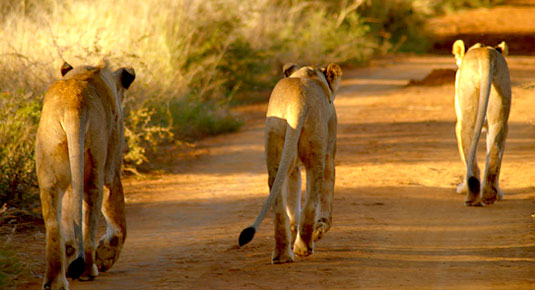 |
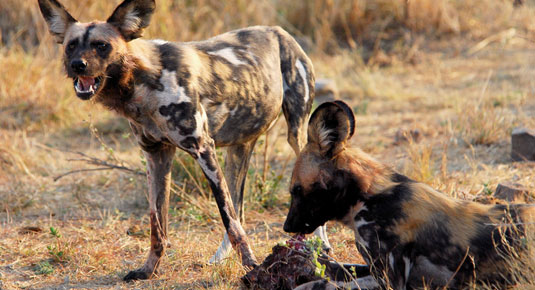
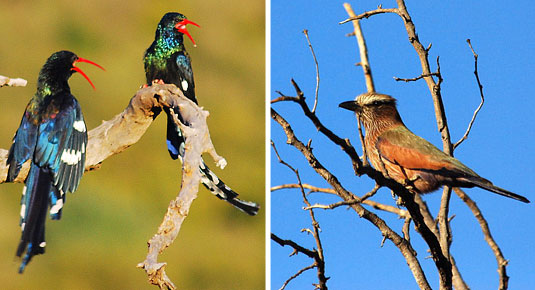
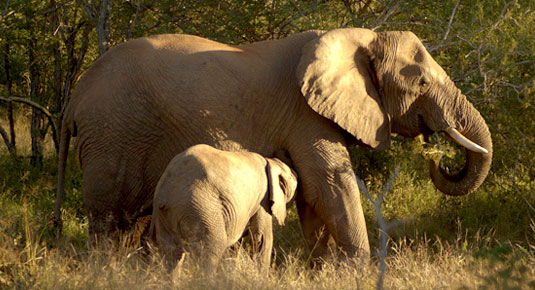
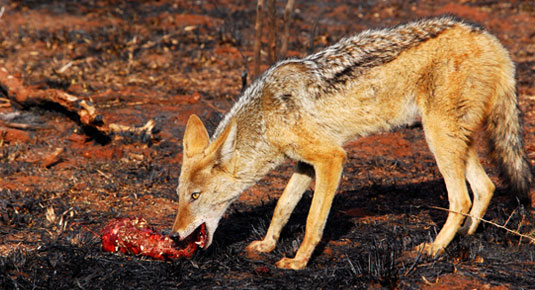
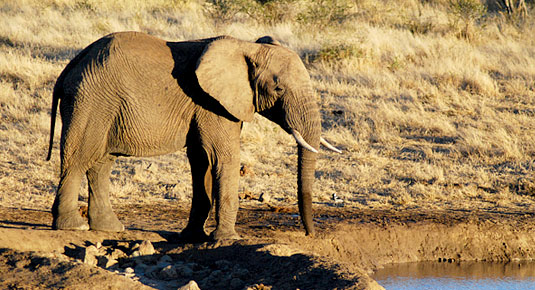
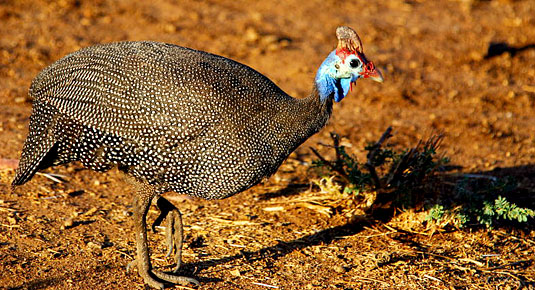
Madikwe Game Reserve is home to 66 large mammal species including the Big Five, lion, leopard, elephant, buffalo and rhino as well as cheetah and wild dog. The area has approximately 300 resident and migrant bird species along with a wide diversity of other fauna. It is one of South Africa's largest game reserves and has the distinction of being one of the few game reserves in the world to be proclaimed purely on the grounds of being the most appropriate and sustainable land use for an area. Madikwe is run as a three-way partnership between the state, local communities and the private sector. Without doubt, it is the private sector on which the entire project ultimately depends. The private sector develops and manages a variety of tourism developments and activities in the park. A portion of the revenue generated is paid to the Board in concession fees. These concession fees are used partly to maintain the conservation infrastructure and game stocks in the park, which underpin the private sector's investments and operations. A portion of the concession fees is also paid to local communities to help finance a variety of community-based development projects. In addition to community projects, communities also benefit from jobs and business opportunities that are created both within and outside the park. This in turn further stimulates the local and regional economy. This partnership, therefore, is of benefit to all parties involved. Conservation objectives are met, the private sector generates profits, jobs and businesses are created, communities are developed and valuable foreign exchange is brought into the country.
The success of this approach has made Madikwe the role model for similar ventures being started up elsewhere in South Africa, therefore, should not be viewed solely as a protected area or tourism destination, in reality, the park acts as a major social and economic core and engine around which the development of the entire region can be based.
It is strongly believed that the approach being practiced in the Game Reserve will have significant beneficial impacts on both local and regional economies, as well as greatly contribute towards the overall improvement in the quality of life of largely disadvantaged, rural communities. People-based wildlife conservation, therefore, should be considered as a viable development option elsewhere in South Africa and in developing countries in general. It is particularly relevant in rural areas where development options are often very limited. In this respect, it is believed that people-based conservation offers the only long-term successful approach to wildlife conservation in South and southern Africa, and the continent of Africa as a whole.
 |
 |
Make an Enquiry or Booking
Madikwe Game Reserve Accommodation |
|
 |
Buffalo Ridge Lodge There are 8 luxury thatched chalets, each with an en-suite bathroom and wooden decking area. The central lodge sits on the slopes of a hill across a ravine, separating it from the chalets. Each of the chalets is positioned on the ridge with expansive views to the north. More Info |
 |
Etali Safari Lodge Located in in the Malaria free Madikwe Game Park, Etali, meaning 'a new beginning' respects the privacy of guests while offering impeccable personal attention, at this Big 5 Wildlife Game Reserve. More Info |
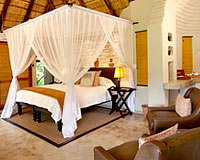 |
Impodimo Game Lodge Carved from the hillside, eight glass fronted luxury chalets line a natural spring, each enjoying striking views either from within or from the outdoor shower. The lodge enjoys spectacular vistas extending as far as the eye can see, your choice may be to visit in summer and laze on the pool deck with a chilled chardonnay. More Info |
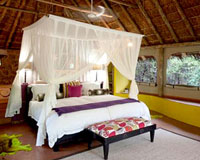 |
Jaci's Safari Lodge Featuring only eight large rooms and the exclusive 2 bed-roomed "Nare Suite" - all built with shaggy thatched roofs, canvas walls and large tented windows - to create a true safari atmosphere, inviting you to enjoy your bush surroundings. More Info |
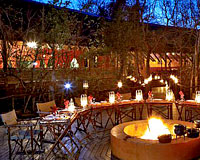 |
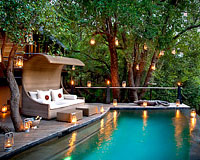
Jaci's Tree Lodge Jaci's Tree Lodge comprises eight "Tree Houses", each encompassing a giant Tambotie or Leadwood Tree. Relax on the deck in front of your room, in the main lodge or wander to the forest pool to cool off. More Info |
 |
Morukuru Lodge An exclusive bush villa, Morukuru Lodge will provide you with top class personal service, a warm and hospitable African ambience and outstanding cuisine from a personal chef who will cater to your specific culinary requests. An attractive dining room will fulfil all your wishes, either for a light snack or a first class dinner. More Info |
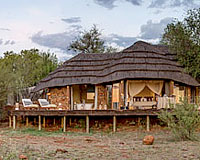 |
Madikwe Hills Private Game Lodge |
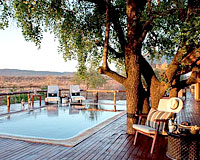 |
Little Madikwe Hills Private
Game Lodge The ultimate in luxury and privacy, Little Madikwe Hills boasts a 2-bedroom Presidential Suite with its own private Landover and game ranger, as well as a personal butler to take care of your every need! More Info |
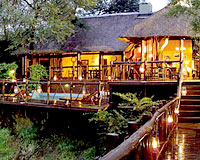 |
Madikwe River
Lodge Madikwe River Lodge offers exclusive accommodation in sixteen secluded split-level thatched chalets set in the cool tranquillity of a riverine forest. All offering an en-suite bathroom, lounge, bar-fridge and private wooden viewing deck overlooking the river, the chalets provide a highly comfortable haven in the heart of Africa. More Info |
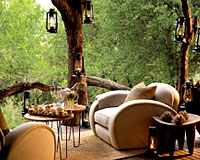 |
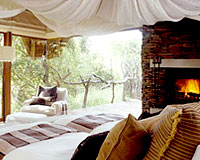
Madikwe Safari Lodge Each suite features a sitting area, a bedroom with circular fireplace, a spacious dressing area with personal bar, an en suite bathroom with bath, indoor and outdoor shower and a private plunge pool. Overlooking Madikwe's game-filled plains, intimate sitting areas in all three camps feature shaded outdoor seating on expansive covered decks. More Info |
 |
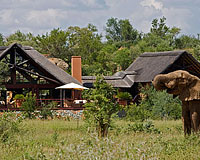
Makanyane Safari Lodge Located on the edge of a ravine, Makanyane Safari Lodge's dramatic main lodge overlooks a stream-filled waterhole shaded by a dense canopy of trees. Enormous ancient Leadwood trees in the lounge and the dining room support the sweeping thatch roof. More Info |
 |
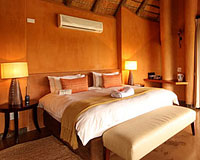
Mateya Safari Lodge Mateya Safari Lodge is designed for the discerning traveler, offering a graceful fusion of relaxed comfort in a beautiful setting. The lodge caters for a maximum of ten guests. As such, you are assured exclusivity, privacy and the very highest standards of personal care and attention at all times. More Info |
 |
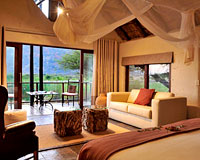
Rhulani Safari Lodge |
 |
Tau Game Lodge Thirty rustic thatched chalets each of which has its own wooden deck, which allows one to experience the bush in privacy and is equipped with an en-suite bathroom and open-air shower. The Accommodation Chalets are spread out in U-formation on either side of the lodge, offering excellent views of animals approaching the water from the opposite bank. More Info |
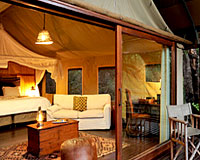 |
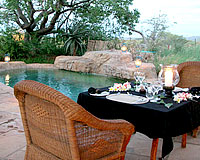
Thakadu River Camp Accommodation comprises twelve tented suites, each with their own viewing deck overlooking the Marico River. The tents are large and spacious and are wonderfully decorated and appointed. Each tent has a sliding door that opens onto a private deck overlooking the river. Of the 12 tented suites, 4 are family units, each with an extra sleeper couch catering for children. Little Thakadu is an 8 bed satellite camp that can be rented exclusively. More Info |
 |
The Bush House |
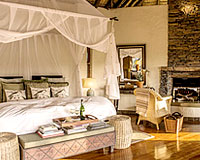 |
Tuningi Safari Lodge Tuningi Safari Lodge has 8 suites that can accommodate 16 guests. All rooms at Tuningi have air conditioning, ceiling fans, gas fireplaces, en-suite bathrooms, beautifully appointed baths, outdoor rock showers and private wrap around wooden decks. More Info |
 |
 |